American ground
Mined in America.Refined somewhere else.
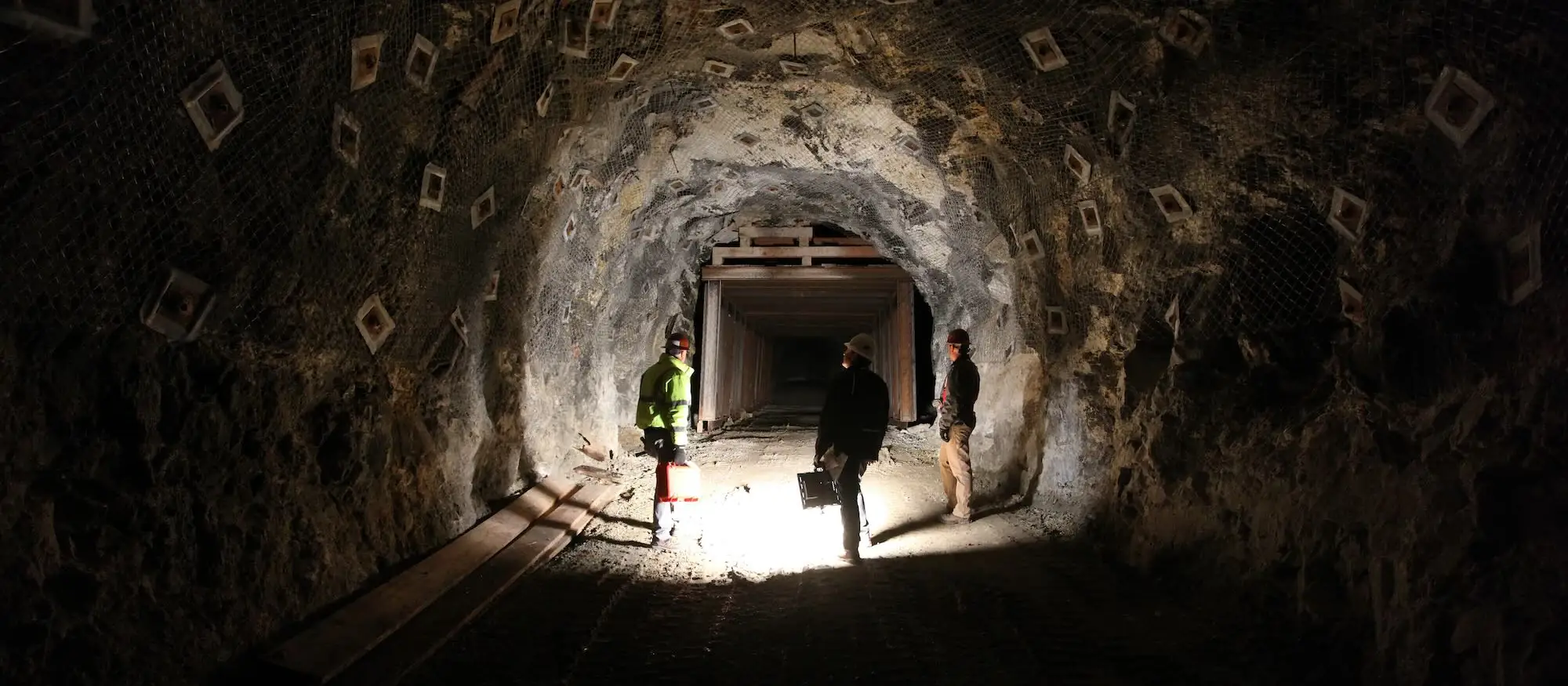
Underground development at a US operation. The rock, the crews and the skill never left the country. The furnaces did.
Four hundred years, in eight turns
The full account is on the history page
What actually went missing
Every figure sourced · see the caveats
The familiar version of this story is that America stopped mining. That is not quite what happened, and getting it wrong makes the argument easy to dismiss. US nonfuel mineral production was worth $112 billion in 2025, up from $106 billion the year before. Metal ore mining employment is above where it stood in 2017. The US share of global exploration spending has gone up over the past seven years, from 9% to 12%.
What collapsed is the step between the mine and the manufacturer. Smelting, refining, separation, conversion — the chemistry that turns rock into usable metal. That capacity left, and once it leaves, the ore has to follow it.
It is a recent loss. Within living memory the United States ran sixteen copper smelters and more than thirty aluminum smelters, and a single Utah mine supplied roughly a third of the copper the Allies used to win a world war. The furnaces did not fail because the country ran out of ore. They closed in a five-year stretch when the copper price halved and nobody was paid to keep them warm.
Why the middle step left
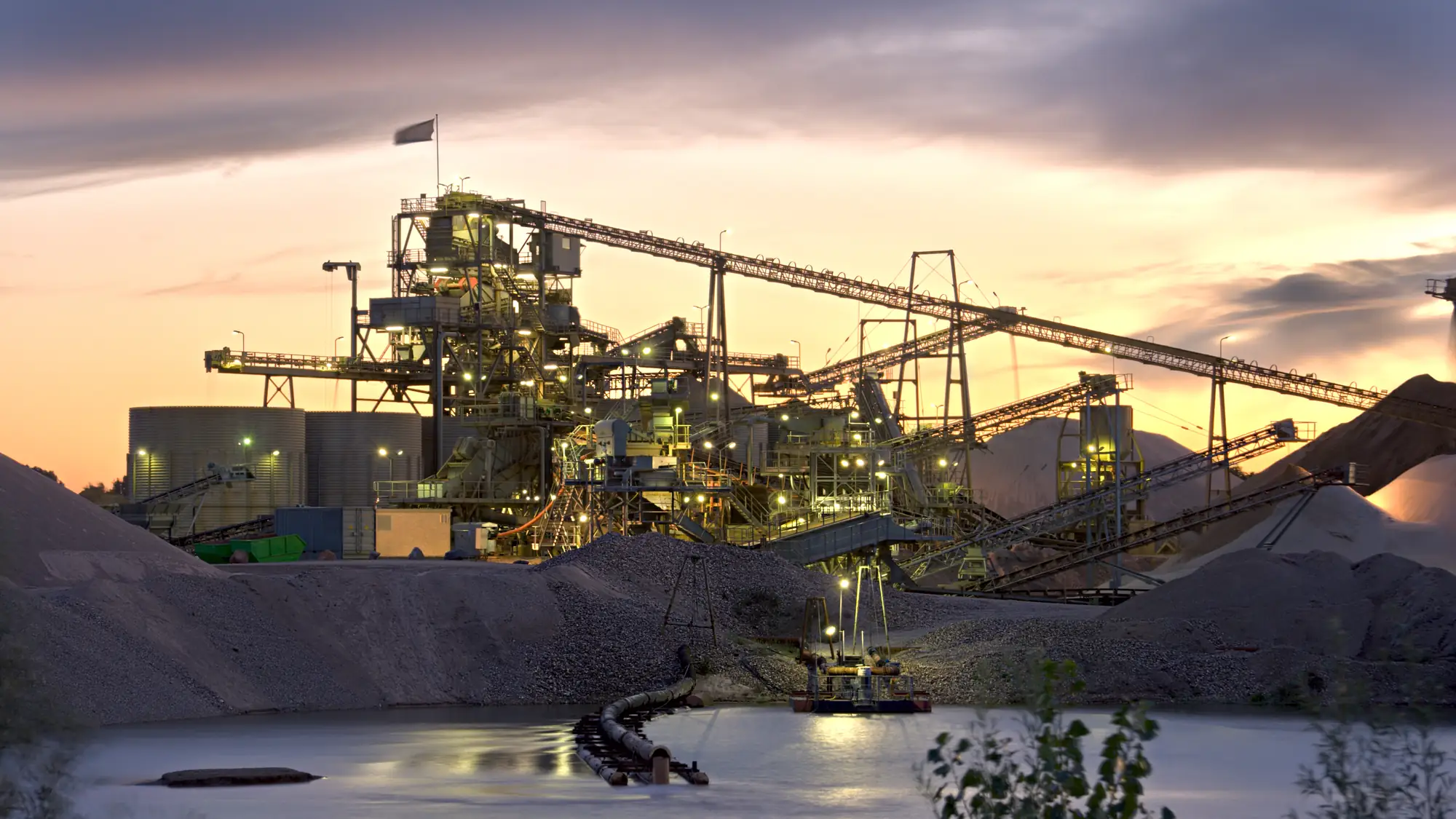
Smelters are the most capital-hungry, most power-hungry, most permit-heavy link in the chain, and they earn the thinnest margin on it. A copper smelter makes its money on treatment and refining charges — a few cents a pound for taking concentrate and handing back metal. When a competitor will accept zero or negative treatment charges because the state underwrites the plant, there is no price at which an American smelter wins the tonnage.
Aluminum tells the same story in electricity. Primary smelting is, functionally, a way of selling power in solid form. Industrial electricity averaged $73.42/MWh in 2023 across the four states holding idled US primary aluminum capacity — Indiana $82.40, Missouri $79.00, South Carolina $66.80, Kentucky $65.50 — against the $26.50–41/MWh paid by hydro-powered Canadian smelters. That is a $32–46/MWh disadvantage on the single largest input cost.
None of this is a law of nature. It is the sum of power prices, capital cost, permitting time and the fact that nobody was paid to keep the capacity warm. Those are all things a country can decide differently, and several of them are being decided differently right now.
Sources: Columbia SIPA, 2026 · The Aluminum Association, 2025 (industry association)
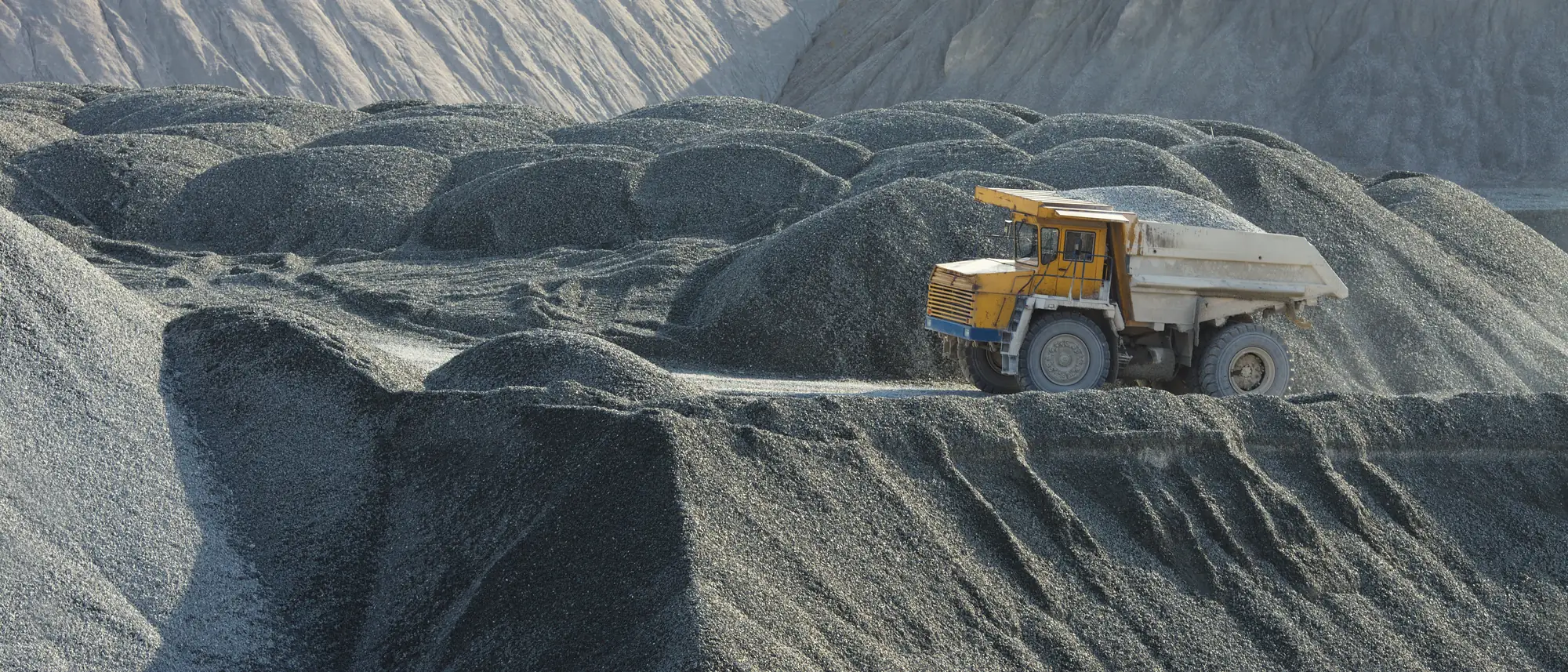
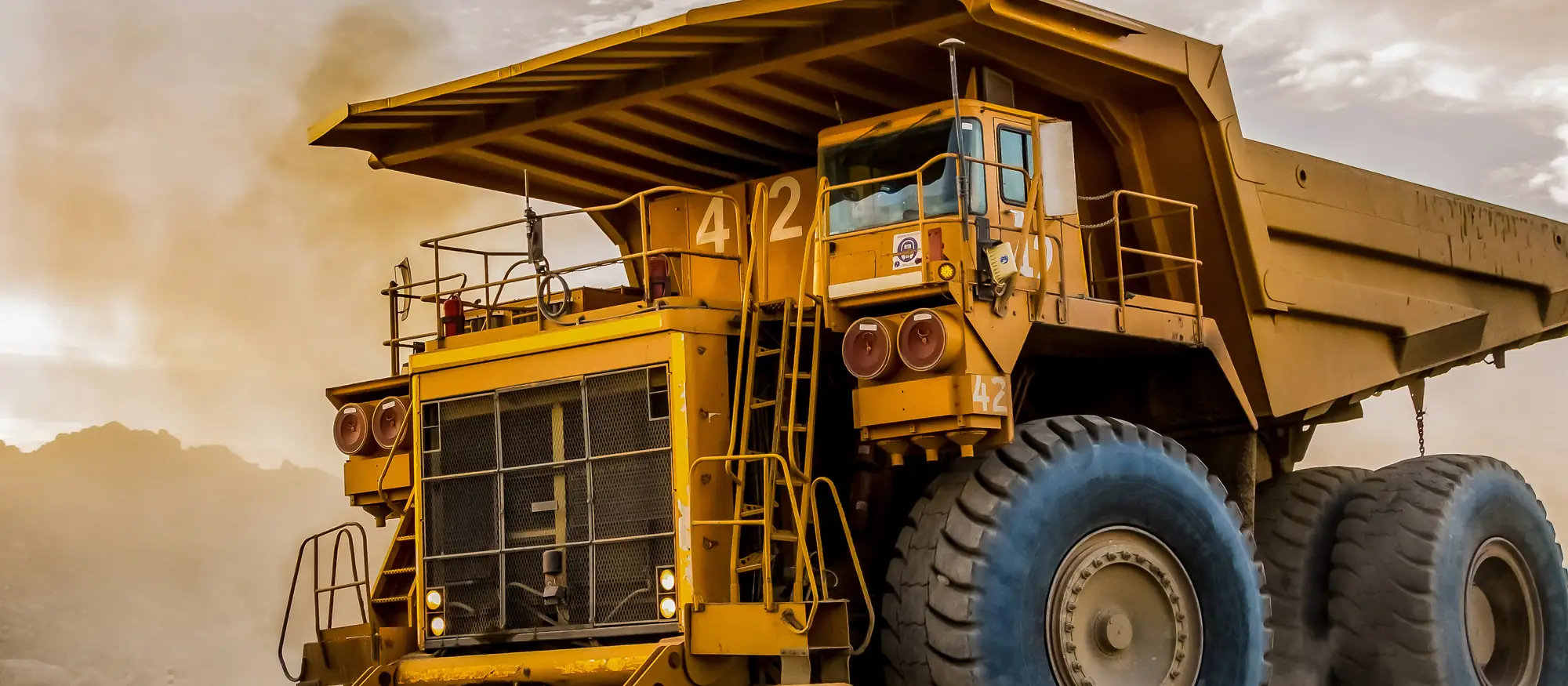
The ore comes out of the ground here. It is the furnace that moved.
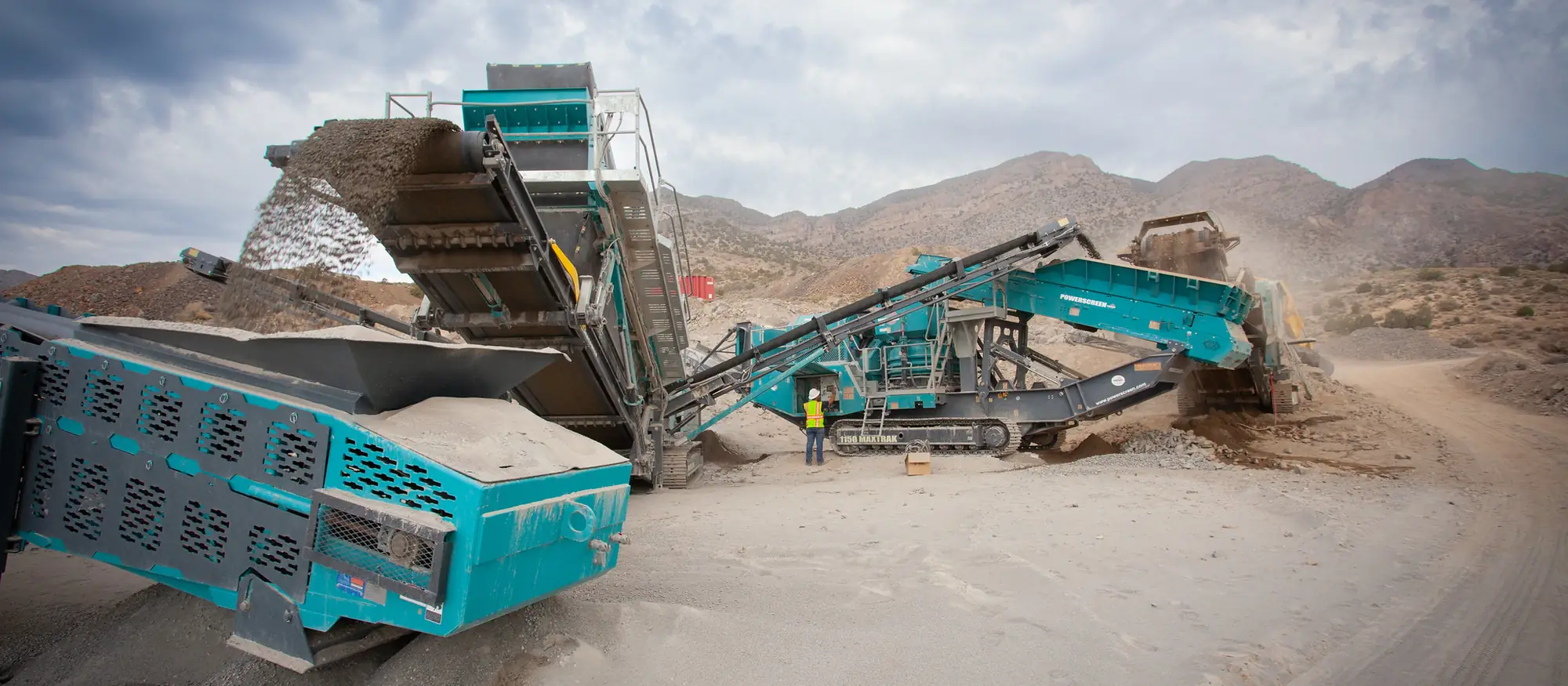
Crushing and screening, Nevada basin
What happens to the ore after that
The round trip, step by step
American ore leaves the country to be turned into metal, and comes back as a finished product with freight, tariffs, a margin for every hand it passed through, and months added to it. The clearest live example is not rare earths — it is nickel, and the United States has exactly one nickel mine.
Where to next
How we got here
From the Saugus ironworks to the last two copper smelters — the rushes, the inventions, the arsenal, and what it all cost.
The directory246 operations, 41 states
Every US mine, mill, smelter, refinery and separation plant we could source, filterable by commodity, state, facility type and status.
Free listingList your business
Drilling, assay, equipment, permitting, haulage, processing. If you supply American mining, the directory is open to you.